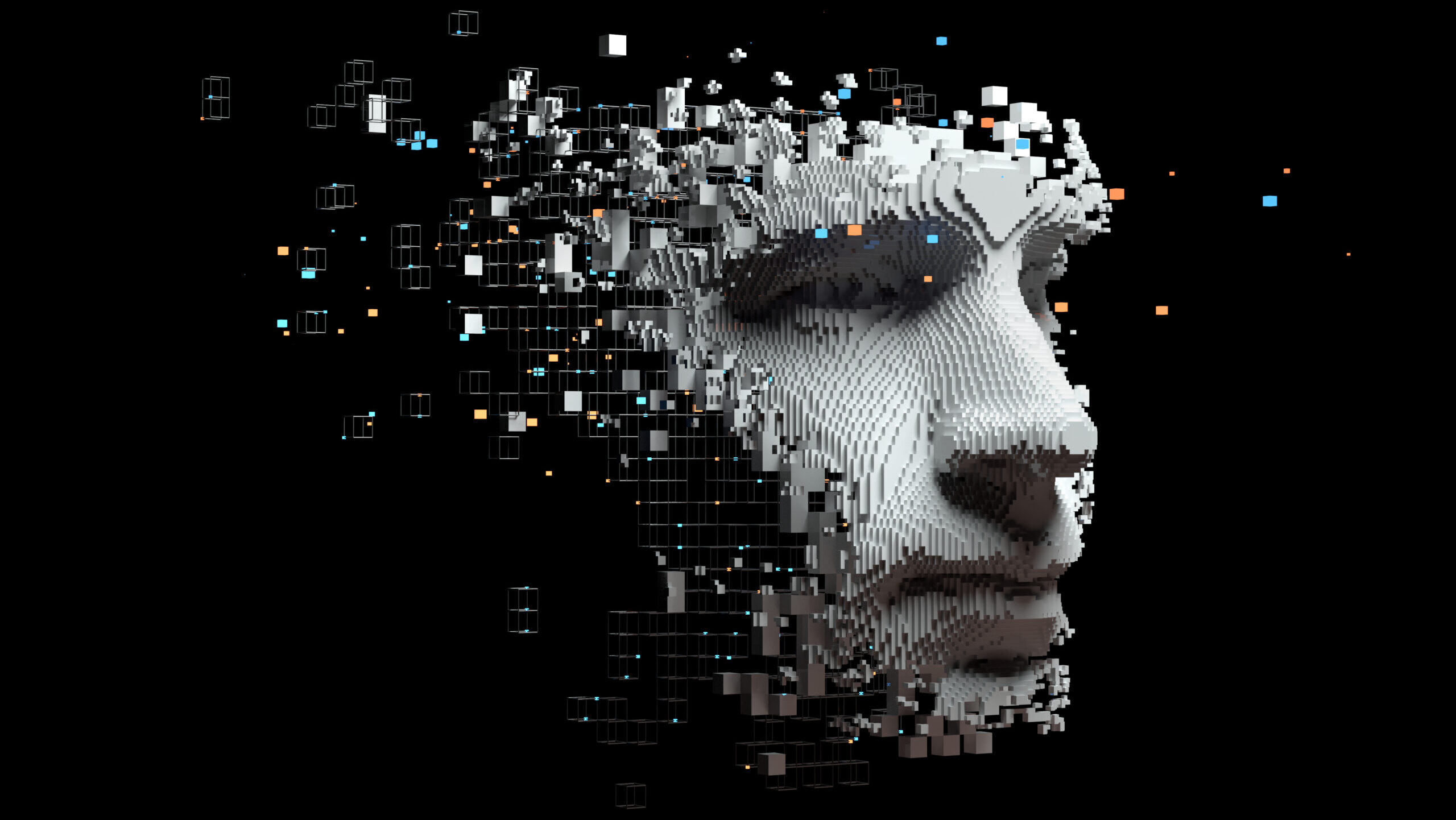
Startup Enabled Intelligence nabs NGA’s $708 million AI training contract
Under the Sequoia program, the company will provide data labeling to allow artificial intelligence and machine learning systems to discriminate among objects.
Under the Sequoia program, the company will provide data labeling to allow artificial intelligence and machine learning systems to discriminate among objects.
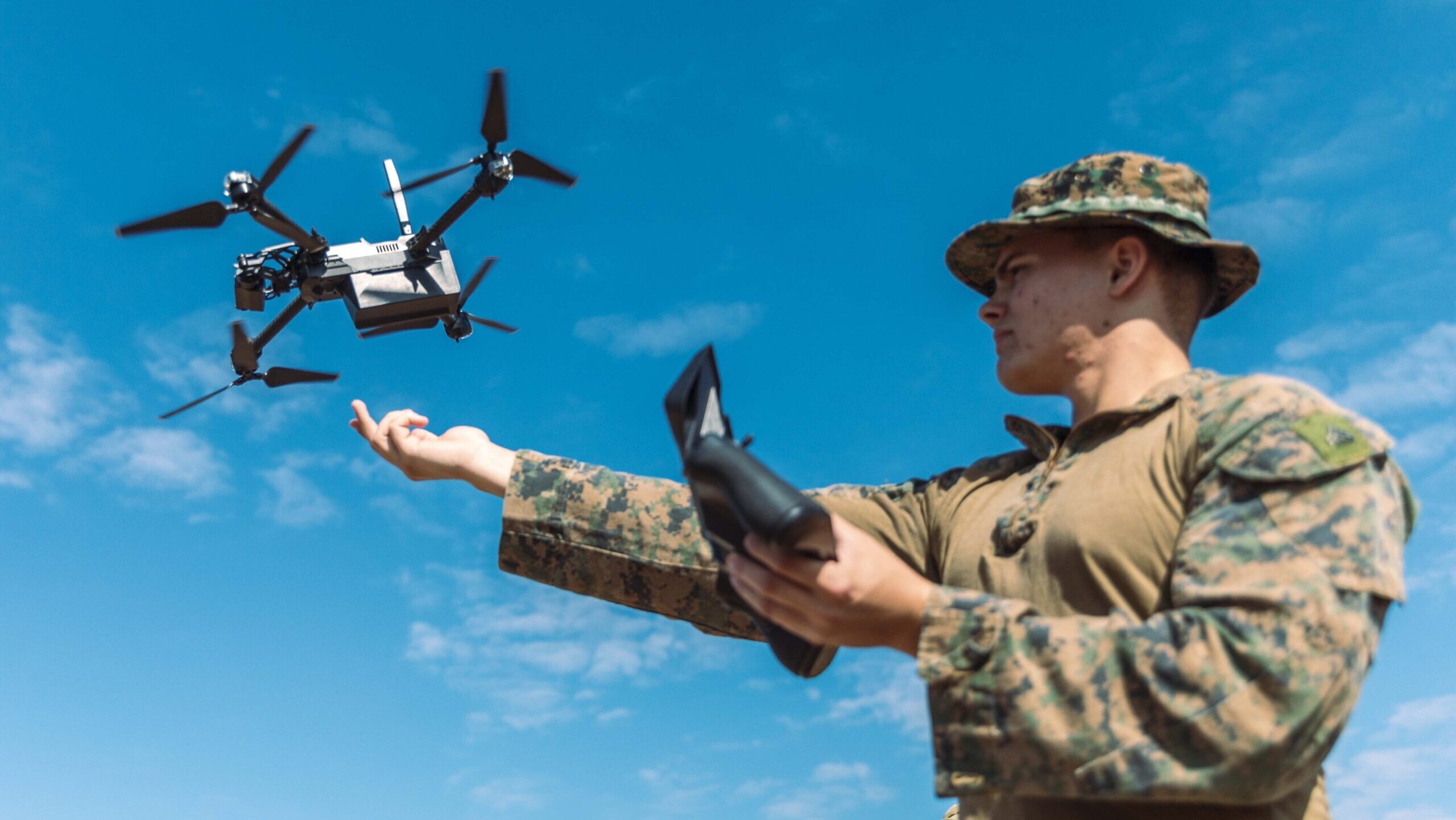
Stacie Pettyjohn, a co-author of the new Center for New American Security study, told Breaking Defense the US should focus on three c-UAS tactics.

Traditional thinking about how to protect facilities must adapt to new threats such as drones or downstream attacks.

"As the Army continues to integrate advanced technologies ... traditional airspace management methods are being challenged by the growing scale, speed, and complexity of operations," the RFI says.

Both the Air Force Research Laboratory and the Missile Defense Agency are now testing NOVI's satellite sensor data processing computer and AI-powered software on orbit.

"We're pulling live data and then integrating it in all the different warfighting functions. So it's a pretty big, pretty big push,” Col. Matt Skaggs told Breaking Defense.

The STRATCOM head emphasized the strategic advantages that AI and ML will add to NC3 systems, but said that a human must still be involved in the loop as this will “maximize the adoption of these capabilities and maintain our edge over our adversaries.”

A commitment to long-term operational value.

"Missions are ramming into each other, overlapping each other. The integration challenge is large," Lt. Gen. Heath Collins said. "[S]ilos exist between services, between entities within the services, between MDA."
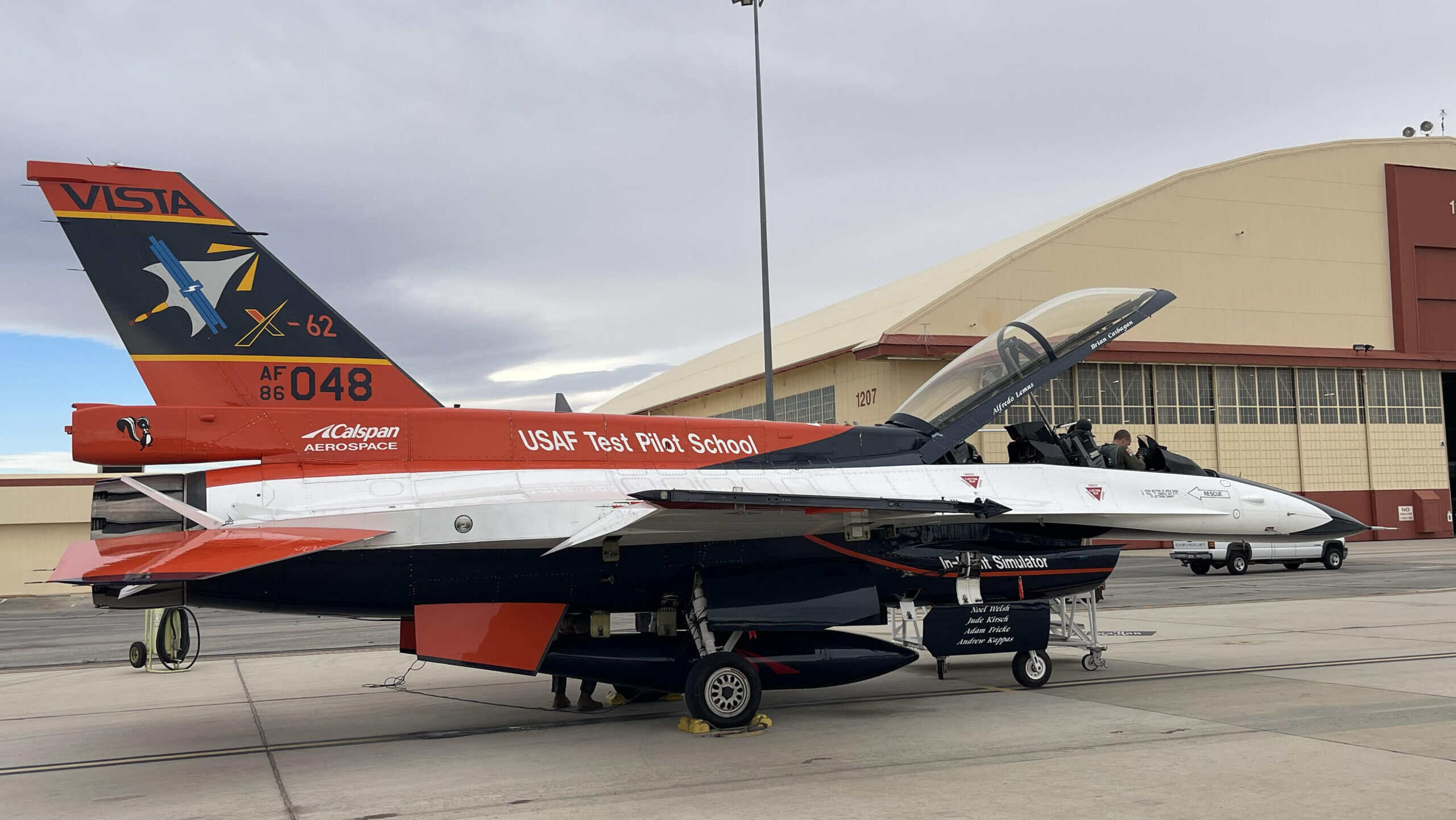
“The potential for machine learning in aviation, whether military or civil, is enormous,” said Air Force Col. James Valpiani. “And these fundamental questions of how do we do it, how do we do it safely, how do we train them, are the questions that we are trying to get after.”

"I don't care what it takes to get after the threat. That's really the cultural change that we're embarking upon," SSC head Lt. Gen. Michael Guetlein told the Space Force Association's inaugural Spacepower conference.

The Space Force, in essence, wants to move the 2018-conceived Unified Data Library from a card catalog system to a machine-to-machine search engine using artificial intelligence tools.

APKWS® laser‑guidance kit provides reliable precision‑guided munitions across missions and platforms, delivered quickly to meet evolving operational demands.

Project Maven, the Pentagon's flagship AI program established in 2017, was shifted to the NGA last year.
The Defense Innovation Unit in FY22 awarded $203 million in prototype contracts across 165 vendors, started 52 new projects and saw a 47 percent increase in the total number of companies competing for a contract, according to DIU's annual report.

“A few years ago, we wouldn't have had that problem because we wouldn't have been talking to each other and our machines certainly wouldn't have been talking to each other," said Air Force Lt. Gen. Clint Hinote." And so that's a huge step forward is the fact that we are all sharing data right now, it's almost too much.”
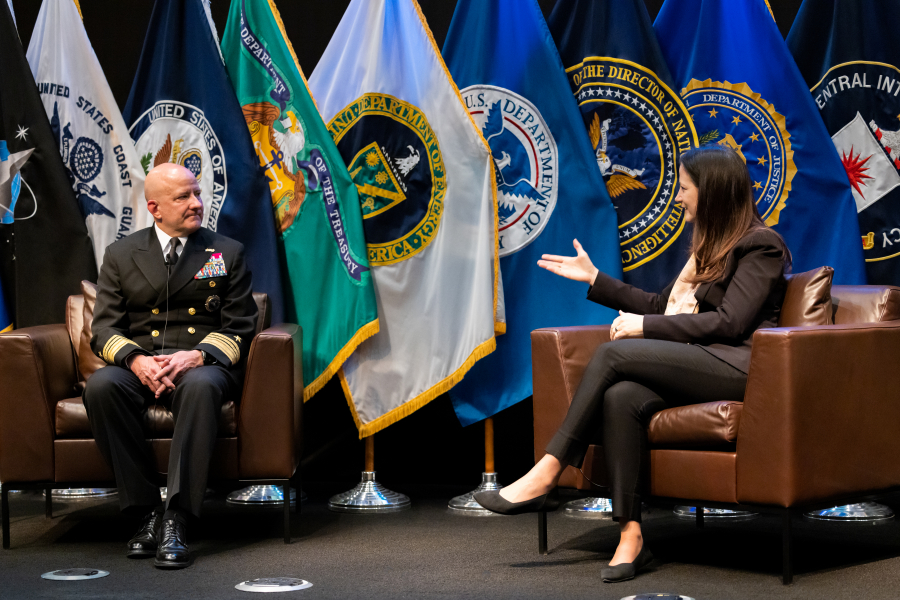
"The flood of new imagery capabilities is overwhelming. Data driven technologies like artificial intelligence are essential," Gen. Richard Clarke, head of Special Operations Command, told the annual GEOINT conference today.